Donkey Standing in Field Redwork: A Farm Animal Embroidery Design Review
If you're an embroidery designer or a creative entrepreneur prepping for your next craft fair booth, then the Donkey Standing in Field Redwork design is one worth considering. This farm animal-themed design offers a charming and nostalgic feel that blends well with the current demand for rustic, handmade, and farmhouse-inspired products. Let’s dive into how this machine embroidery design could perform across different product types and what makes it stand out at a glance.
First Impressions of Donkey Standing in Field Redwork
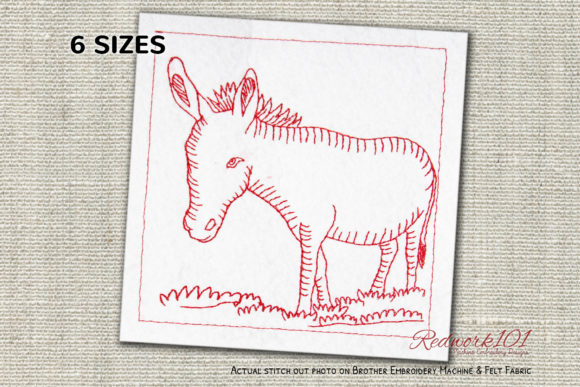
The name alone—Donkey Standing in Field Redwork—evokes a warm, countryside scene. It has a soft yet bold presence due to its redwork style, which typically uses just one thread color (often white or red) on darker backgrounds. This simplicity gives the design a clean, elegant look while also making it instantly recognizable as part of the popular farm animal trend. The donkey appears grounded and friendly, offering a sense of charm and authenticity perfect for handmade shop owners and Etsy sellers.
Because the outer box can be omitted or customized, the design feels more open and adaptable. Whether you're aiming for a minimalist aesthetic or something more decorative, this flexibility helps maintain a cohesive look across your product range.
Where This Design Shines in Craft Fair Products
When preparing your display for a weekend craft fair booth, it's crucial to know where a design will have the most visual impact. Here are some top contenders for the Donkey Standing in Field Redwork:
- Tote Bag Design: The donkey illustration adds a subtle but meaningful touch. It works especially well on canvas or linen totes, which already carry a rustic vibe. Make sure to place it near the center for maximum visibility.
- Apron Embroidery: A donkey motif on aprons appeals to customers who love kitchen décor with personality. Its placement on the front pocket or lower corner can make the piece both functional and eye-catching.
- Tea Towel Embroidery: The design’s simplicity means it doesn’t overwhelm small spaces. It looks great in the corner or as a central graphic on natural-colored cotton tea towels.
- Embroidered Patch: Perfect for adding to denim jackets or backpacks. The redwork technique ensures it stands out without needing multiple thread colors.
- Fabric Pouches & Pillow Covers: These items benefit from a focal point like the donkey, especially when paired with muted, earthy tones. The design adds character without being too busy.
- Handmade Gifts: For holiday markets or themed sales, the design fits well into the small shop product niche. Think about embroidered mugs, ornaments, or even felt magnets for sale.
Visual Appeal and Customer Engagement
The Donkey Standing in Field Redwork is a standout because it feels familiar yet unique. Customers notice it quickly, thanks to its clear lines and strong contrast. It’s not overly detailed, so it doesn't lose clarity when scaled down. That makes it ideal for smaller items like patches or pouches.
This kind of design enhances the perceived value of any handmade product. When displayed on a table alongside other embroidered items, it brings a quiet confidence to your booth. It tells shoppers, “This is quality work,” without shouting for attention. For Cricut and embroidery crafters, it's a versatile design asset that can be used repeatedly across different product categories.
Production Practicality and Tips
As a seasoned embroidery business owner, I always consider the ease of production before finalizing a design. Here are some notes for using Donkey Standing in Field Redwork effectively:
- Design Clarity: This design is easy to read and understand at a glance. Its structure is solid, with no confusing elements—perfect for beginners and pros alike.
- Scalability: While it can serve as a large focal point, it also works beautifully as a small accent. Just keep in mind that tiny details might become less defined when reduced in size.
- Photography Ready: The monochrome nature of redwork designs translates well into online listings. Use a neutral background when photographing finished products to highlight the donkey and the texture of the stitches.
- Batch Production: With its limited thread usage and straightforward layout, this design is highly repeatable. You can easily create multiple versions in different fabric textures and colors for variety without complicating the process.
Test Before You Invest
Before committing to full production, always test the design on scrap fabric to see how it performs. Confirm the hoop size required, check for any dense stitch areas that may pucker, and review the thread colors against your chosen fabric. If you're planning to use it on textured towels or thick canvas, extra stabilizer may be needed to prevent distortion.
Commercial Licensing Considerations
For those looking to turn this into a commercial embroidery product, ensure you’ve confirmed commercial licensing terms if you’re using a digital embroidery file. Some designs require specific permissions for resale or mass production. Always double-check these details before creating finished products for market or Etsy listings.
Design Placement and Fabric Choices
Choosing the right placement and fabric can elevate the overall appeal of your craft fair product. Here are some practical suggestions:
- Dark Fabrics: The redwork style contrasts beautifully against black, navy, or deep gray fabrics. Avoid pastels unless you want a softer, more whimsical look.
- Flat Surfaces: Tote bags, aprons, and pillow covers offer the best results. Curved surfaces like caps may distort the image unless the design is specifically adapted for them.
- Stabilizer Use: Especially important for stretchy or thin materials. Use a cutaway or tear-away stabilizer depending on your fabric type to maintain stitch integrity.
- Mockups: Create at least one real printable mockup to showcase how the design looks on various items. This helps potential buyers visualize the product and increases conversion rates online.
- Dense Stitch Areas: Check for sections that may require extra tension adjustments or cause puckering. These spots often need reinforcement during testing.
- Small Lettering: If the design includes text (not specified here), ensure it’s legible and won’t fade or fray after washing.
- Thick or Textured Fabrics: These can challenge stitch density. Test thoroughly and adjust hoop pressure or stabilizer accordingly.
- Color Consistency: Since the outer box is optional and usually a contrasting color, compare fabric choices carefully to maintain the intended look.
What to Watch Out For
While the Donkey Standing in Field Redwork is a strong contender, there are a few things to consider for optimal results:
Creating Brand Consistency and Booth Display Strength
Consistency is key when building your brand identity. The Donkey Standing in Field Redwork can be part of a larger collection of farm animal motifs that reflect your signature style. Pair it with similar designs like cows, sheep, or barns to build a cohesive theme for your booth.
Its gentle, handcrafted appearance complements other handmade products and reinforces your brand as thoughtful and artisanal. On display, it draws attention without clashing with neighboring items, making it a strong addition to any curated selection of embroidery goods.
Final Thoughts for Creative Entrepreneurs
As an embroidery designer, I appreciate the balance between simplicity and charm in the Donkey Standing in Field Redwork. It’s a design that speaks to nostalgia and warmth, two powerful emotions in the world of handmade gifts and boutique-style crafts. Whether you're selling at a local market or listing it on Etsy, this design has the potential to attract a wide audience.
Remember to always inspect stitch density, test on actual materials, and confirm commercial use rights. With a little preparation, this digital embroidery file can become a valuable part of your product lineup, boosting both visual appeal and product value.
So go ahead—add the Donkey Standing in Field Redwork to your list of design assets. It might just be the quiet hero your booth needs to stand out this season.