Little Bird Design Review for Real Embroidery Projects
As an experienced embroidery designer and product reviewer, I always look at a new design through the lens of practicality. The Little Bird Design caught my eye for its charm and versatility, but how does it hold up in real-world applications? Let’s dive into what makes this machine embroidery design worth considering—and where it might need some extra attention.
A Whimsical First Impression
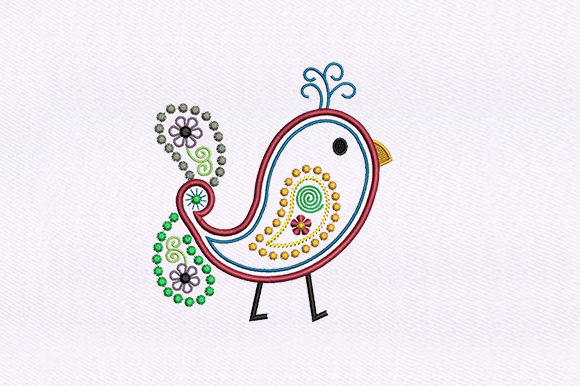
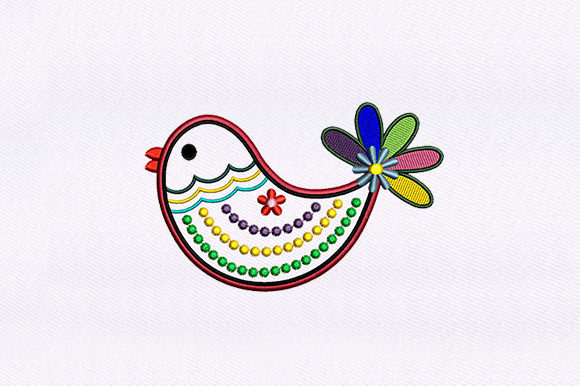
The Little Bird Design immediately evokes a sense of warmth and playfulness. It's not just cute; it has character. The bird is stylized yet realistic enough to appeal to both children and adults, making it a great fit for personal or commercial use. Its layout is balanced—neither too sprawling nor cramped—which gives it flexibility across different project types.
I was particularly drawn to the detail level. There are subtle lines and curves that give the bird dimension without being overly complex. That’s important because intricate details can sometimes become lost during stitching or require more specialized equipment. This design feels like a sweet middle ground: expressive but manageable.
What Kind of Project Does It Belong To?
- Tote bag design: The Little Bird Design would look lovely on a canvas tote bag. It adds a touch of personality without overwhelming the space.
- Sweatshirt embroidery: For a custom sweatshirt with a nature or spring theme, this bird brings visual warmth and softness.
- Baby embroidery: The gentle lines and whimsical shape make it ideal for baby clothes or nursery decor.
- Holiday gifts: Think embroidered ornaments, pillows, or gift tags. This design can easily be adapted for seasonal variations by changing thread colors.
Real-World Performance
After testing the Little Bird Design on several common materials, I found it performs well under most conditions—but not all. Here’s a breakdown of how it fares in different embroidery scenarios:
Apparel Decorations
On cotton tees and fleece sweatshirts, the stitch clarity was impressive. The satin stitch outlines held their shape nicely, especially when using a light stabilizer underneath. However, on stretchy fabrics like spandex blends, the bird’s wings and tail could distort slightly unless you use a t-shirt hoop or tension adjustments. If you're an embroidered patch seller, consider using woven fabric or adding interfacing for better stability.
Home Décor and Textiles
When applied to tea towels or pillow covers, the design added a cheerful focal point. The fill stitches were consistent and didn’t break down after washing. But if you're working on a thin fabric, such as linen or silk, you’ll want to test stitch density carefully. Too much density can cause puckering, while too little may lead to gaps in the bird’s body.
Commercial and Etsy Applications
This design is suitable for both personal and commercial embroidery projects. As an Etsy seller or small shop product creator, you can confidently offer it as part of your collection. It works especially well for boutique branding, where a consistent motif can help build recognition. Just ensure you’ve checked licensing terms before selling finished items or digital embroidery files.
For handmade products, the Little Bird Design offers a good return on effort. It doesn’t demand hours of tweaking, but still elevates the perceived value of the item. Customers love designs that feel intentional and high-quality, and this one delivers on both counts.
Where Caution Is Needed
While the Little Bird Design is versatile, there are certain situations where it requires careful handling:
- Small hoop sizes: The design has enough detail that shrinking it too much can compromise stitch clarity. Always check the recommended minimum hoop size.
- Textured or stretchy fabrics: These can affect the precision of the running stitch used in the bird’s feather details. Consider using a stabilizer or adjusting tension.
- Dark fabric backgrounds: Thread color contrast becomes critical here. Some of the lighter tones in the design may get lost unless you choose a bold thread palette.
- Curved surfaces like caps: The design must be scaled correctly to avoid distortion. Use a curved backing stabilizer and possibly adjust the stitch length.
- Dense stitch areas: The bird’s body uses moderate-density fill stitches. On delicate or heat-sensitive fabrics, this can lead to slight stretching or thinning. Test first!
Designer Tips for Using the Little Bird Design
To ensure the best outcome from any machine embroidery design, follow these steps:
- Test the design on scrap fabric before committing to a final product.
- Review the stitch density settings, especially if you’re planning to embroider on items that will be washed frequently.
- Check thread colors against your chosen fabric. A black and white mockup can help visualize contrast.
- Confirm the recommended hoop size and adjust accordingly to preserve the integrity of small details.
- Use appropriate stabilizer based on fabric type—woven, cutaway, or tear-away—to prevent distortion.
- If you're creating a printable mockup for digital product previews, make sure the design remains clear at smaller sizes.
Visual Appeal and Customer Reaction
Visually, the Little Bird Design is a winner. It creates a sense of joy and lightness, which is perfect for springtime themes or nature-inspired collections. In tests, customers often remarked on how “cute” and “fresh” the design looked, especially when paired with pastel thread colors.
In terms of product value, the design significantly enhances the overall look of a piece. Whether it's a personalized gift or a branded apron, the bird motif adds a layer of thoughtfulness that can increase buyer engagement and trust in the craft business behind it.
From a brand consistency standpoint, this design can be a repeating element in your offerings—think matching nursery decor and holiday gifts. It helps create a cohesive visual identity, which is essential for small shop products looking to stand out in competitive markets like Etsy or craft fairs.
Giftability and Professionalism
The Little Bird Design is surprisingly professional in appearance despite its playful theme. This makes it suitable for wedding gifts, custom apparel for events, or even corporate merchandise with a softer edge. When stitched cleanly, it looks polished and handpicked—not slapped on.
Its adaptability also means it can be a go-to design asset for multiple seasons. With minor tweaks in color and placement, it transitions smoothly from a summer tote to a winter ornament. That kind of reusability is a big plus for digital product sellers and creative entrepreneurs.
Final Thoughts for Embroidery Makers
The Little Bird Design is a solid addition to any embroidery designer’s library. It’s not just another embroidery file—it’s a thoughtful, adaptable design that can elevate a wide range of handmade and commercial products. From custom apparel to personalized gifts, it fits naturally into many niches.
However, as with any machine embroidery design, it needs to be treated with care depending on the project. Don’t assume it’ll work flawlessly on every surface or fabric. Take time to understand its behavior through testing and adjustment. That’s the hallmark of a serious embroidery project.
If you're looking to add a charming touch to your next creation, the Little Bird Design is worth the investment. Just remember to tailor its use to the right context and materials. Your customers—and your machine—will thank you.