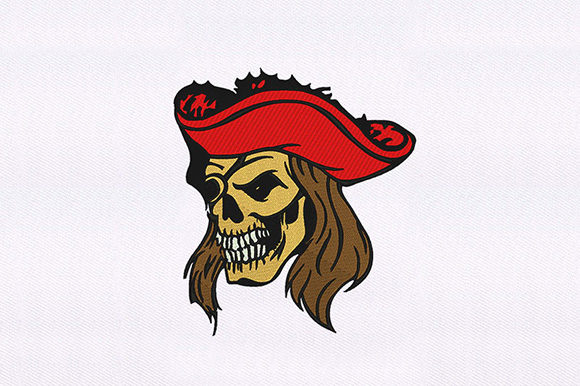
Reviewing Hat Skull Pirate for Craft Fair Appeal
If you're an embroidery designer or handmade product maker preparing for a craft fair, the right design can make all the difference. I recently reviewed the Hat Skull Pirate machine embroidery design and found it to be a compelling choice for a variety of products. Its bold yet playful nature immediately caught my eye, making me think about how it could stand out on a table full of handmade goods.
First Impressions: Bold Meets Playful
The name “Hat Skull Pirate” alone tells a story—this is not your average embroidery pattern. It’s edgy but fun, with a hint of adventure. The design combines elements of pirate culture and skull imagery in a way that feels both classic and contemporary. When I first opened the digital embroidery file, I was impressed by the level of detail and the overall structure. It doesn’t scream “gothic” but leans more into a bold, adventurous vibe that appeals to a wide audience, especially those who love themed décor and statement pieces.
As a professional, I look for designs that have visual impact at a glance. The Hat Skull Pirate fits the bill—it’s striking enough to catch attention from across a booth, while still being versatile enough to work with different color palettes and fabric types.
Where It Shines: Product Compatibility and Display Potential
This design has broad appeal when applied to various craft fair products. Here's where I see the most potential:
- Tote bags: The pirate skull adds a strong focal point, especially if paired with contrasting thread colors like black on white or navy on cream. It looks great as a front-facing design.
- Apron embroidery: A small version of the design would make a cute accent near the pocket or waistband, while a larger version could serve as a standout feature on kitchen aprons.
- Tea towel embroidery: The design works well in this format if placed centrally and slightly scaled down. It brings personality to functional items without overwhelming them.
- Embroidered patch: As a patch, this design becomes a wearable accessory that customers can easily visualize on jackets, denim, or backpacks.
- Fabric pouches: The design adds a quirky edge to everyday items, especially if stitched onto a dark background for contrast.
- Pillow covers: A pirate-themed pillow cover is perfect for home décor displays. This design adds character and makes for an easy conversation starter.
- Market bags: Large and reusable, these are ideal for showcasing the design in its full glory. Customers often take notice of unique carry-ons at fairs.
- Handmade gifts: Whether it’s a mug bag or a small pouch, the design brings charm and memorability to gift items.
- Booth samples: Use it on a few key display pieces to highlight your range of embroidery skills and product offerings.
- Printable mockups: For Etsy sellers or digital shop owners, using the design in printable mockups helps showcase the final product effectively online.
- Commercial embroidery: If you're planning to scale up, the design's complexity allows for high-quality results when executed correctly.
Practical Selling Points for Embroidery Designers
One of the things I always consider is how a design will perform in real-world settings. The Hat Skull Pirate is visually clear and instantly recognizable, which means it doesn't need much explanation to draw interest. Its size (8×8 hoop) gives you flexibility to use it as a central feature or a smaller accent, depending on the product.
For craft fair selling, the design photographs well, thanks to its structured lines and defined shapes. Dark backgrounds really make the details pop, so when creating listings or display items, choose fabrics that allow the thread to stand out.
In terms of batch production, the design is repeatable but requires careful setup due to its stitch density and intricate parts. I recommend running a few test samples before committing to large quantities.
Careful-Use Notes for Optimal Results
While the Hat Skull Pirate is a strong design, there are some nuances to consider for the best outcome:
- Dense stitch areas may require extra stabilizer to prevent puckering, especially on lightweight or stretchy fabrics.
- Tiny details in the skull and hat should be checked for clarity. Smaller sizes might lose definition, so test scaling options before finalizing.
- Small lettering (if present) needs good thread visibility. Avoid using it on dark or textured surfaces unless you're sure the contrast will hold.
- Thick fabric or heavy-duty items like market bags may need additional backing to handle the weight of the stitches.
- Textured towels or canvas-like materials can distort fine lines. Always do a trial run on similar fabric before mass production.
- Curved cap surfaces pose a challenge due to the shape of the hoop. You’ll want to ensure the design adapts well or consider alternative placements.
- Dark fabric can make the design feel less vibrant. Try lighter tones or reverse stitching to enhance visibility.
Boosting Visual Appeal and Customer Engagement
What sets the Hat Skull Pirate apart is its ability to elevate ordinary items into something memorable. On tote bags and aprons, it acts as a visual anchor that draws people in. The pirate theme subtly nods to nautical and fantasy genres, which are popular among handmade shoppers looking for unique, thematic items.
When displayed properly, this design can significantly boost your booth traffic. It has a distinct style that fits both rustic and modern aesthetics, making it adaptable to different customer preferences. As a result, it supports brand consistency by allowing you to maintain a cohesive look across multiple products without repeating the same motif.
Designer Tips for Using Hat Skull Pirate Effectively
Before launching any products featuring the Hat Skull Pirate, here are a few tips from experience:
- Test the design on scrap fabric to check for stitch accuracy and fabric compatibility.
- Check thread contrast—especially if you plan to embroider on darker or pastel-toned fabrics.
- Review spacing in the digital embroidery file to avoid issues with seam allowances or overlapping stitches.
- Confirm hoop size (8×8 inches) to ensure your machine and workspace are set up accordingly.
- Inspect stitch density and adjust if needed to prevent overloading the fabric.
- Use the right stabilizer—water-soluble or tear-away, depending on the fabric type and project requirements.
- Create at least one real mockup to evaluate how the design looks in person and functions as part of a finished product.
- Compare fabric colors to find the best backdrop for the design’s visual impact.
- Confirm commercial licensing if you’re planning to sell finished products. Many digital sellers overlook this step, risking legal complications later.
Final Thoughts for Handmade Entrepreneurs
As someone who regularly prepares for craft fairs and Etsy shops, I believe the Hat Skull Pirate is a solid addition to your design assets. It offers a unique blend of boldness and whimsy that stands out in a sea of generic patterns. When applied thoughtfully, it can transform a simple tote bag into a collectible item or turn a tea towel into a decorative statement piece.
Its versatility also makes it suitable for both personal and small shop product lines. From digital embroidery files used in printable mockups to actual finished products sold at weekend markets, the design has the potential to become a signature element of your brand.
Remember, success in the handmade space isn’t just about having a cool design—it’s about knowing how to present it, produce it reliably, and make it appealing to the right audience. The Hat Skull Pirate checks all those boxes when handled with care and creativity.